
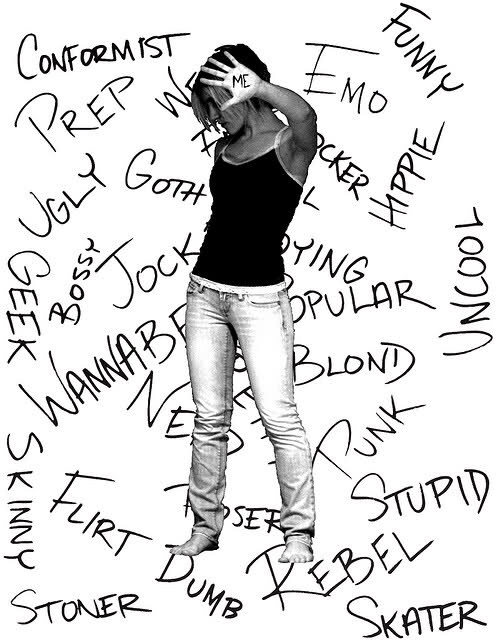
Be careful of the label which you place on others such as; weird, stupid, odd, crazy, idiot or something more derogatory. These can be detrimental to their mental wellbeing or could reaffirm their own beliefs/fears. People can be very judgmental and place labels on others based on their ignorance, bias and fears. Labelling someone is placing a misconception or unwanted judgment on them without understanding the individual. They then perceive all of society sees them this way and will judge them before even getting to know them. This can lead to to social withdrawal and anxiety.
One main issue is the individual will begin to portray their label and they feel that’s the only way to manoeuvre in society free from further judgment. Causing the individual to feel more weighed down and overwhelmed by the label placed on them.
Many individuals such as those with mental health issues, can feel isolated and ashamed, due to the negative stigma and labels placed on them. Even though we are in the 21st Century, mental health is still a major taboo and is a topic of conversation not openly discussed. This can cause the individual to withdraw with themselves and cope with their pain by themselves.
You can find friends who see through the labels, to support you. We live in a very judgmental world where labelling someone is becoming more prevalent. Let’s make a change and tear down the notion of labelling people to mask our own insecurities and issues.
So we expect them to put a label on us or we label ourselves. This is to defend ourselves from the stigma attached to the label. If we presume this is what they are thinking, we can already begin to face it. For example someone who has a mental health diagnosis will call themselves “crazy”, offering the explanation “ I can say that as I’m crazy and they know I am”. Here the person is putting a label on themselves, as this is where they see themselves viewed in society.
It is hard to conduct in a confident way in a society where everything is stigmatised, judged and ridiculed. Any deviation from the “norm” is deemed “abnormal”. However ask yourself “ what does it mean to be normal?”.
In juxtaposition, some individuals will wear their label as a badge of honour and proudly confront society by showing their label to all. Again this is a coping mechanism, which one highlights they have an issue and two where they can hide behind it, almost a mask. For these individuals, the label/ stigma has been dealt with, leaving them scope to better deal with their concern.
If you place emphasis on an issue, everyone will notice. If you don’t place any emphasis, no one will know. This can refer to the label that maybe placed on a person. If you take the label and place a negative connotation on it, it will affect you. However if you embrace the label, then it won’t affect you.
 This is a question we ask ourselves all to often. This may equate to a decision we have made. In life we make many decisions, some that benefit us and others that may cause us grief or pain. As humans we make decisions almost every moment of our lives, from deciding what to get our bed, what to eat or more major life choices. At times we don’t realise the impact of the decisions, on our behaviour or emotions. We fail to realise is, the decisions we make in the split second may not have any thought behind them and therefore hindsight will serve us well.
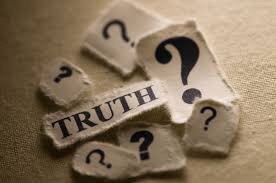 We speak the truth and no one wants to listen or believe it. When we lie and cover up our truth we are heard loud and clear. The truth for us may hurt and make us feel uncomfortable, we can’t expect anyone else to understand, so we lie. The human race presumes they can assume what others will think and say. But in reality this may not even be the case. So to protect ourselves, we lie as it’s easier to cope with. However the lie will mean the truth is more painful and harder to cope with.
 Mental Health in your words